We use cookies to enhance your browsing experience. By continuing, you accept our data practices.

Learn More

Sleep Science and Recovery

Understanding the biological mechanisms that restore your energy

The Sleep Cycle Architecture

Your brain doesn't simply switch off at night—it embarks on a carefully choreographed journey through distinct stages. Stage 1 lasts mere minutes, a twilight zone where you drift between waking and sleeping. Stage 2 deepens the descent as your body temperature drops and heart rate slows.

Then comes the magic: Stage 3, deep sleep, where delta waves roll across your cortex like ocean swells. This is when growth hormone floods your bloodstream, repairing muscle fibers torn during the day and strengthening bone density. Interrupt this stage, and you'll wake feeling like you never slept at all.

REM sleep arrives in the final act, typically 90 minutes after sleep onset. Your eyes dart beneath closed lids as your brain processes emotions and consolidates memories. Dreams here aren't random—they're your mind solving problems, making creative connections, and filing away the day's experiences.

Each cycle repeats 4-6 times per night, but the ratio shifts. Early cycles favor deep sleep for physical restoration. Later cycles emphasize REM for mental processing. Cut your sleep short, and you sacrifice the final, crucial REM periods.
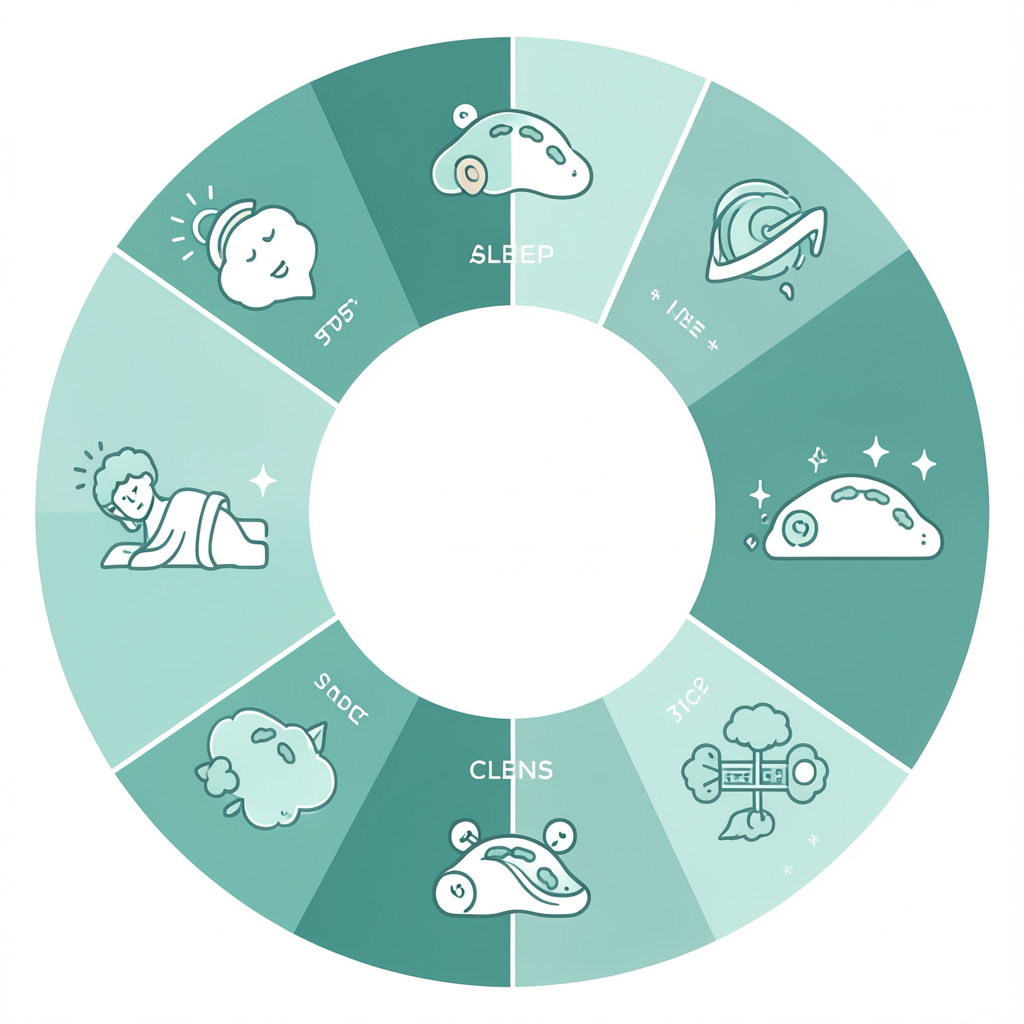
Sleep cycle stages

Recovery Mechanisms During Sleep

What happens while you rest

Cellular Repair

Damaged proteins are broken down and rebuilt, tissues regenerate, and cellular structures are maintained during deep sleep phases.

Metabolic Clearance

The brain's waste removal system activates during sleep, clearing metabolic byproducts that accumulate during waking hours.

Hormone Regulation

Growth hormone release peaks during deep sleep, while cortisol follows a natural rhythm that prepares you for waking.

Energy Storage

Glycogen stores are replenished in muscles and the brain, providing fuel reserves for the next day's activities.

Neural Consolidation

Synaptic connections are strengthened or pruned, optimizing neural networks for learning and memory retention.

System Balance

Cardiovascular, metabolic, and endocrine systems recalibrate, maintaining homeostasis essential for sustained energy.

Sleep Enhancement Resources

Tools to support your rest and recovery

Sleep Science Guide

Comprehensive resource covering sleep biology, cycle optimization, and evidence-based strategies for better rest.

€29
Learn More

Relaxation Audio Collection

Curated soundscapes and guided sessions designed to facilitate the transition into deep, restorative sleep.

€19
Learn More

Sleep Optimization Program

Structured approach to improving sleep quality through habit formation, environment design, and routine development.

€49
Learn More

Key Factors Affecting Sleep Quality

Understanding what influences your rest

1

Light Exposure

Blue light from screens suppresses melatonin production. Reduce exposure 2-3 hours before bed and use warm lighting in the evening to support natural sleep signals.

2

Temperature Control

Your core body temperature needs to drop for sleep initiation. Keep your bedroom between 16-19°C and consider a warm bath 90 minutes before bed to facilitate this process.

3

Caffeine Timing

Caffeine has a half-life of 5-6 hours. Consuming it after 2 PM can interfere with sleep onset and reduce deep sleep duration, impacting energy restoration.

4

Physical Activity

Regular exercise improves sleep quality, but timing matters. Morning or afternoon workouts are ideal, while intense evening exercise may delay sleep onset.

5

Stress Management

Elevated cortisol levels interfere with sleep. Practice relaxation techniques, journaling, or meditation to calm your mind before bedtime.

6

Meal Timing

Large meals close to bedtime can cause discomfort and disrupt sleep. Finish eating 3 hours before bed, but avoid going to bed hungry as well.

Optimize Your Recovery

Discover personalized strategies for enhancing your sleep and energy

Contact Us