We use cookies to enhance your browsing experience. By continuing, you accept our data practices.

Learn More

Improving Sleep Quality

Actionable strategies for better rest and sustained energy

Environment Optimization

Your bedroom should feel like a cave: cool, dark, and quiet. Temperature matters more than most realize—your core body temperature must drop 2-3 degrees to initiate sleep. Set your thermostat to 16-19°C, or crack a window. Pile on blankets if needed, but keep the air cold.

Light is sleep's nemesis. Even dim light through closed eyelids can suppress melatonin production. Blackout curtains are highly recommended. Cover LED lights on electronics. Even small light sources can disrupt your circadian rhythm.

Sound strategy varies by person. Some need absolute silence; others sleep better with white noise masking unpredictable sounds. The key is consistency. Your brain adapts to constant background noise but startles at sudden changes, fragmenting sleep architecture.

The ideal sleep sanctuary combines these elements: a cool, dark room with controlled sound, comfortable bedding, and zero electronic distractions. This environment signals your brain that it's time for deep, restorative rest.
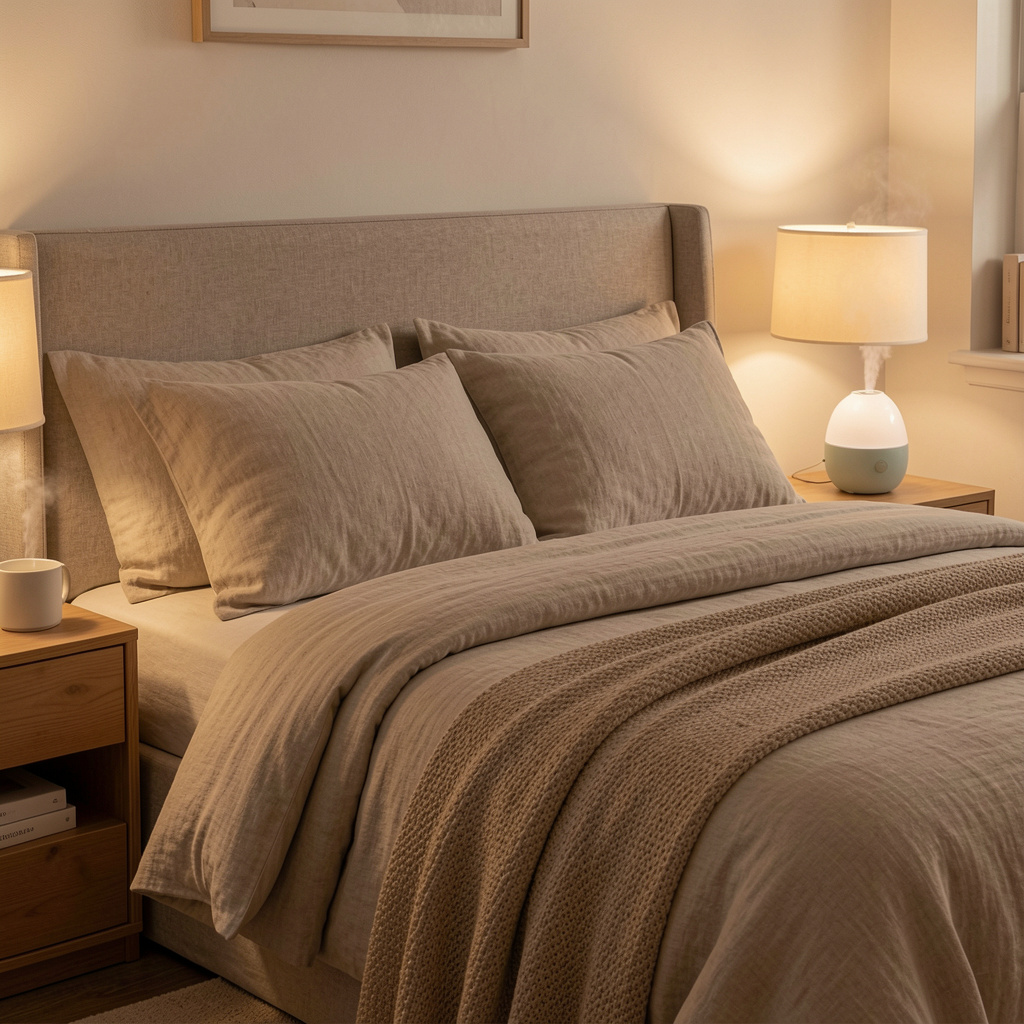
Optimal sleep environment

Daily Rhythm for Better Sleep

Timing matters for energy and rest

Morning: 6-9 AM

Expose yourself to bright light within the first hour of waking. This anchors your circadian rhythm and promotes alertness while setting up quality sleep later.

Midday: 10 AM-4 PM

Schedule physical activity during these hours. Exercise enhances sleep quality but avoid intense workouts within three hours of bedtime.

Afternoon: 2-4 PM

If you consume caffeine, avoid it after mid-afternoon. Its effects can persist for 6-8 hours, potentially interfering with sleep initiation.

Evening: 6-8 PM

Finish substantial meals at least three hours before bed. Late eating can disrupt sleep architecture and reduce rest quality.

Night: 9-10 PM

Begin your wind-down routine. Dim lights, reduce screen time, and engage in calming activities that signal your body to prepare for sleep.

Quick Sleep Quality Tips

Simple changes with significant impact

Cool Down

Lower your bedroom temperature before sleep to facilitate natural body cooling that promotes rest.

Read Physical Books

Replace screen time with reading printed material to reduce blue light exposure before bed.

Fresh Air

Ensure proper ventilation in your bedroom to maintain oxygen levels and air quality during sleep.

Limit Naps

If you nap, keep it under 20 minutes and before 3 PM to avoid disrupting nighttime sleep.

Relaxation Practice

Incorporate breathing exercises or progressive muscle relaxation into your evening routine.

Consistent Schedule

Maintain the same sleep and wake times daily, including weekends, to strengthen your rhythm.

Essential Sleep Hygiene Practices

Daily habits that transform your rest

Consistent Sleep Schedule

Go to bed and wake up at the same time every day, including weekends. This consistency reinforces your circadian rhythm, making it easier to fall asleep and wake naturally. Even a 30-minute variation can disrupt your internal clock.

Digital Sunset

Create a technology curfew 60-90 minutes before bed. Blue light from screens can suppress melatonin production. Use blue light filters if you must use devices, or switch to reading physical books instead.

Strategic Caffeine Use

Limit caffeine intake to morning hours only. Caffeine blocks adenosine receptors, preventing the natural buildup of sleep pressure. Its effects can linger for 8-10 hours in some individuals.

Movement Matters

Engage in at least 30 minutes of moderate exercise daily, but complete workouts at least 3 hours before bedtime. Physical activity increases sleep pressure and promotes deeper sleep stages.

Morning Light Exposure

Get 10-30 minutes of bright light exposure within the first hour of waking. This anchors your circadian rhythm and supports healthy nighttime melatonin production.

Alcohol Awareness

Avoid alcohol 3-4 hours before bed. While it may help you fall asleep faster, alcohol fragments sleep architecture, reduces REM sleep, and causes early morning awakenings.

Pre-Sleep Relaxation Methods

Techniques to calm your mind and body

01

4-7-8 Breathing

Inhale through your nose for 4 counts, hold for 7 counts, exhale through your mouth for 8 counts. Repeat 4 times. This activates your parasympathetic nervous system, reducing heart rate and promoting relaxation.

02

Progressive Muscle Relaxation

Starting with your toes, tense each muscle group for 5 seconds, then release. Move progressively up your body. This technique reduces physical tension and mental stress accumulated during the day.

03

Visualization Exercise

Imagine a peaceful scene in vivid detail - a beach, forest, or mountain. Engage all senses in your visualization. This redirects your mind from worries and activates relaxation responses.

04

Body Scan Meditation

Lie down and mentally scan your body from head to toe, noticing sensations without judgment. This mindfulness practice reduces rumination and prepares your mind for sleep.

05

Gratitude Journaling

Write down 3-5 things you're grateful for from your day. This positive reflection shifts your mindset from stress to contentment, creating better emotional conditions for sleep.

Need Personalized Guidance?

Reach out to explore customized strategies for your sleep improvement journey

Get Started